Content Menu
● Introduction to Cinnamon and Cinnamaldehyde
>> Chemical Structure of Cinnamaldehyde
● Health Benefits of Cinnamaldehyde
>> Anti-Inflammatory Properties
>> Antimicrobial and Antifungal Effects
>> Blood Sugar Regulation
>> Cardiovascular Health
● Cinnamon Bark Extract and Cinnamaldehyde
>> Preparation of Cinnamon Bark Extract
● Potential Therapeutic Applications
>> Neuroprotective Effects
>> Digestive Health
● Safety and Precautions
>> Allergic Reactions
>> Interactions with Medications
● Conclusion
● FAQ
>> 1. What is Cinnamaldehyde?
>> 2. How Does Cinnamaldehyde Regulate Blood Sugar?
>> 3. What Are the Antimicrobial Effects of Cinnamaldehyde?
>> 4. Can Cinnamon Bark Extract Help with Heart Health?
>> 5. How Should Cinnamon Bark Extract Be Consumed?
● Citations:
Cinnamon, a spice derived from the bark of the cinnamon tree, has been used for centuries in traditional medicine and culinary practices. Among its various bioactive compounds, cinnamaldehyde is the most prominent and studied component, responsible for many of cinnamon's health benefits. This article explores how cinnamaldehyde in cinnamon bark extract contributes to improved health outcomes.
Introduction to Cinnamon and Cinnamaldehyde
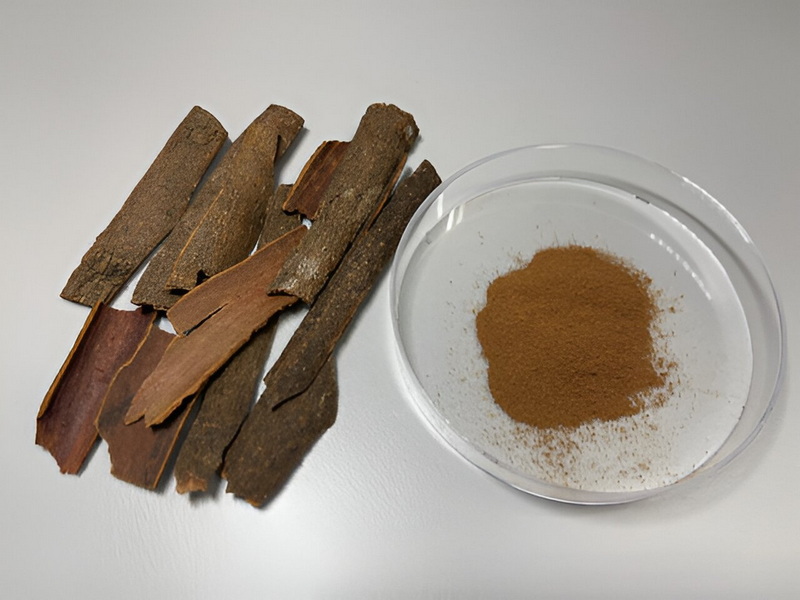
Cinnamon is obtained from the bark of the Cinnamomum genus, with Cinnamomum verum (Ceylon cinnamon) and Cinnamomum cassia (Chinese cinnamon) being the most commonly used species. Cinnamaldehyde, a phenylpropanoid aldehyde, is the primary active compound in cinnamon essential oil, extracted through steam distillation or cold pressing of cinnamon bark.
Chemical Structure of Cinnamaldehyde
Cinnamaldehyde's chemical structure is characterized by its aldehyde group, which contributes to its distinct flavor and aroma. This compound is not only responsible for the sensory properties of cinnamon but also for its medicinal effects.
Health Benefits of Cinnamaldehyde
Cinnamaldehyde has been extensively studied for its potential health benefits, which include anti-inflammatory, antimicrobial, antidiabetic, and cardiovascular protective effects.
Anti-Inflammatory Properties
Cinnamaldehyde has been shown to reduce inflammation by inhibiting pro-inflammatory compounds and cytokines. This makes it a valuable natural option for managing chronic inflammatory conditions like arthritis and inflammatory bowel disease.
Antimicrobial and Antifungal Effects
Cinnamaldehyde exhibits broad-spectrum antimicrobial activity against bacteria, fungi, and yeast, including Escherichia coli, Staphylococcus aureus, and Candida albicans. This property makes it useful in treating skin infections and other fungal issues.
Blood Sugar Regulation
Cinnamaldehyde enhances insulin sensitivity, which is crucial for managing diabetes and insulin resistance. Studies have shown that cinnamon extracts with high cinnamaldehyde content can improve glucose metabolism and stabilize blood sugar levels.
Cardiovascular Health
Cinnamaldehyde may support heart health by reducing blood pressure and promoting better blood circulation. It relaxes blood vessels, improving blood flow and lowering the risk of cardiovascular diseases.
Cinnamon Bark Extract and Cinnamaldehyde
Cinnamon bark extract is rich in cinnamaldehyde, which is responsible for its medicinal properties. The extraction process involves steam distillation or cold pressing to preserve the purity and potency of cinnamaldehyde.
Preparation of Cinnamon Bark Extract
1. Steam Distillation: This method involves heating the cinnamon bark to release its essential oils, which are then collected and concentrated.
2. Cold Pressing: A mechanical process that extracts the oils without heat, preserving more of the delicate compounds.

Potential Therapeutic Applications
Cinnamaldehyde's diverse pharmacological effects make it a promising compound for various therapeutic applications:
- Cancer Prevention: Cinnamon has been shown to slow down angiogenesis, which is crucial for tumor growth.
- Alzheimer's Disease: Some studies suggest that cinnamon may have neuroprotective effects, though more research is needed.
- HIV and Allergies: Limited studies indicate potential benefits, but further investigation is required.
Neuroprotective Effects
Cinnamaldehyde may also have neuroprotective properties, potentially helping to prevent or slow the progression of neurodegenerative diseases. Its antioxidant properties can protect neurons from oxidative stress, which is associated with conditions like Alzheimer's and Parkinson's diseases.
Digestive Health
Cinnamon bark extract can aid in digestion by reducing symptoms of irritable bowel syndrome (IBS) and improving gut health. Its antimicrobial properties help maintain a balanced gut microbiome.
Safety and Precautions
While cinnamon bark extract is generally safe, it's important to consume it in moderation. High doses of cinnamaldehyde can cause allergic reactions or interact with certain medications. Pregnant women and individuals with liver conditions should consult a healthcare provider before using cinnamon supplements.
Allergic Reactions
Some individuals may experience allergic reactions to cinnamon, which can manifest as skin rashes or digestive issues. If symptoms occur, discontinue use and consult a healthcare professional.
Interactions with Medications
Cinnamon can interact with blood thinners and diabetes medications, potentially altering their efficacy. It's crucial to monitor blood sugar levels and consult with a healthcare provider if you're taking these medications.
Potential Interactions with Medications
| Medication Type | Interaction |
| Blood Thinners | Increased Risk of Bleeding |
| Diabetes Medications | Altered Blood Sugar Control |
Conclusion
Cinnamaldehyde in cinnamon bark extract offers a range of health benefits, from anti-inflammatory and antimicrobial effects to improving blood sugar regulation and cardiovascular health. While cinnamon is not a replacement for medical treatment, it can be a valuable addition to a healthy diet and lifestyle.
FAQ
1. What is Cinnamaldehyde?
Cinnamaldehyde is the primary bioactive compound in cinnamon, responsible for its distinct flavor and aroma, as well as its medicinal properties.
2. How Does Cinnamaldehyde Regulate Blood Sugar?
Cinnamaldehyde enhances insulin sensitivity, which helps improve glucose metabolism and stabilize blood sugar levels, making it beneficial for individuals with diabetes or insulin resistance.
3. What Are the Antimicrobial Effects of Cinnamaldehyde?
Cinnamaldehyde exhibits broad-spectrum antimicrobial activity against bacteria, fungi, and yeast, including Escherichia coli and Candida albicans.
4. Can Cinnamon Bark Extract Help with Heart Health?
Yes, cinnamaldehyde in cinnamon bark extract may support heart health by reducing blood pressure and improving blood circulation, which can lower the risk of cardiovascular diseases.
5. How Should Cinnamon Bark Extract Be Consumed?
Cinnamon bark extract can be consumed in various forms, such as capsules or added to food. However, it's important to consult with a healthcare provider before using it as a supplement.
Citations:
[1] https://www.webmd.com/diet/supplement-guide-cinnamon
[2] https://realceyloncinnamon.com/cinnamaldehyde-benefits-uses-safety/
[3] https://www.frontiersin.org/journals/nutrition/articles/10.3389/fnut.2021.748503/full
[4] https://www.mdpi.com/2304-8158/12/3/452/review_report
[5] https://www.webmd.com/diet/health-benefits-ceylon-cinnamon
[6] https://pmc.ncbi.nlm.nih.gov/articles/PMC3943007/
[7] https://www.nature.com/articles/srep07919
[8] https://pmc.ncbi.nlm.nih.gov/articles/PMC8433798/
[9] https://pmc.ncbi.nlm.nih.gov/articles/PMC3854496/
[10] https://www.frontiersin.org/journals/pharmacology/articles/10.3389/fphar.2024.1365949/full
[11] https://pmc.ncbi.nlm.nih.gov/articles/PMC4003790/