Content Menu
● Introduction to Cinnamon Bark Extract
>> Cinnamon Bark Extract Composition
● Benefits of Cinnamon Bark Extract for Hair
>> Promoting Hair Growth
>> Reducing Hair Loss
>> Improving Hair Texture and Density
>> Fighting Dandruff and Scalp Infections
● How to Use Cinnamon Bark Extract for Hair
>> Cinnamon Bark Extract Hair Mask
>> Cinnamon Bark Extract Tea for Hair Growth
>> Cinnamon Bark Extract Shampoo
● Potential Risks and Precautions
● Additional Considerations for Using Cinnamon Bark Extract
● Future Research Directions
● Conclusion
● FAQs
>> 1. What is Cinnamon Bark Extract?
>> 2. How Does Cinnamon Bark Extract Promote Hair Growth?
>> 3. Can Cinnamon Bark Extract Help with Dandruff?
>> 4. How to Use Cinnamon Bark Extract for Hair?
>> 5. Are There Any Side Effects of Using Cinnamon Bark Extract on Hair?
● Citations:
Cinnamon, a spice commonly found in many kitchens, has been gaining attention for its potential benefits in hair care. Specifically, cinnamon bark extract is being explored for its ability to promote stronger, healthier hair. This article delves into the science behind cinnamon bark extract and its effects on hair health, including its potential to enhance hair growth, reduce hair loss, and improve overall scalp health.
Introduction to Cinnamon Bark Extract
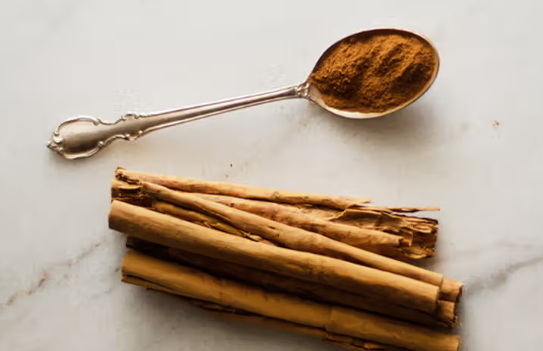
Cinnamon bark extract is derived from the bark of the cinnamon tree, primarily from species like Cinnamomum verum or Cinnamomum cassia. It is rich in compounds such as cinnamaldehyde, cinnamic acid, and various polyphenols, which are believed to contribute to its beneficial effects on hair.
Cinnamon Bark Extract Composition
- Cinnamaldehyde: Known for its ability to increase blood flow by dilating blood vessels, which can enhance nutrient delivery to hair follicles, promoting hair growth.
- Cinnamic Acid: Research suggests it may enhance hair growth through specific signaling pathways.
- Polyphenols: Act as antioxidants, protecting the scalp from oxidative stress and inflammation.
Benefits of Cinnamon Bark Extract for Hair
Promoting Hair Growth
Cinnamon bark extract is believed to stimulate hair growth by increasing blood flow to the scalp. This enhanced circulation delivers more oxygen and nutrients to hair follicles, potentially extending the anagen phase—the active growth phase of hair. Additionally, the antioxidants in cinnamon bark extract help protect hair follicles from damage caused by free radicals, which can slow down hair growth.
Reducing Hair Loss
By promoting a healthier scalp environment, cinnamon bark extract may help reduce hair loss. Its antimicrobial properties can prevent scalp infections, which are sometimes linked to hair loss. Furthermore, reducing inflammation on the scalp can help stabilize hair follicles, reducing the likelihood of excessive hair shedding.
Improving Hair Texture and Density
Cinnamon bark extract can also improve hair texture and density. The antioxidants and anti-inflammatory compounds help protect hair from damage, leading to thicker and more resilient hair strands. This can result in hair that looks healthier and more vibrant.
Fighting Dandruff and Scalp Infections
The antifungal properties of cinnamon bark extract make it effective against dandruff and other scalp infections. This can lead to a healthier scalp environment, conducive to hair growth. By controlling fungal growth, cinnamon bark extract helps prevent flaking and itching associated with dandruff.
How to Use Cinnamon Bark Extract for Hair
Cinnamon Bark Extract Hair Mask
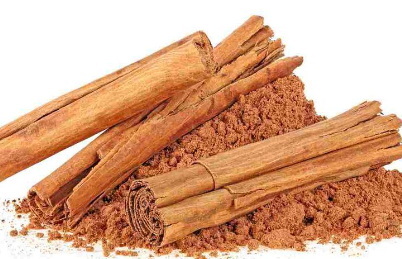
1. Ingredients: 2 tablespoons of cinnamon bark powder, 1 tablespoon of honey, 1 tablespoon of coconut oil.
2. Instructions: Mix all ingredients to form a paste. Apply to the scalp and massage gently. Leave on for 20 minutes before rinsing. This mask can help stimulate blood flow and nourish the scalp.
Cinnamon Bark Extract Tea for Hair Growth
1. Ingredients: 1 teaspoon of cinnamon bark powder, 1 cup of water.
2. Instructions: Boil the water and add cinnamon powder. Let it steep for 5 minutes. Strain and drink as a tea to support overall health and hair growth. This tea can be consumed daily to enhance the effects of cinnamon bark extract on hair.
Cinnamon Bark Extract Shampoo
You can also add cinnamon bark extract to your shampoo for an extra boost. Mix a few drops of cinnamon bark extract oil with your regular shampoo before washing. This can help distribute the benefits of cinnamon bark extract evenly throughout your hair.
Potential Risks and Precautions
While cinnamon bark extract is generally safe for use, there are some precautions to consider:
- Skin Irritation: Some individuals may experience skin irritation or allergic reactions. Always perform a patch test before applying it extensively.
- Overuse: Excessive use can lead to irritation, so it's important to use it in moderation.
Additional Considerations for Using Cinnamon Bark Extract
When incorporating cinnamon bark extract into your hair care routine, consider combining it with other natural ingredients that complement its benefits. For example, mixing it with coconut oil or olive oil can enhance its nourishing effects on the hair and scalp.
Future Research Directions
While current evidence suggests that cinnamon bark extract is beneficial for hair health, further studies are needed to fully understand its mechanisms and optimal usage. Future research should focus on clinical trials to establish its efficacy and safety for long-term use.
Conclusion
Cinnamon bark extract offers promising benefits for hair health, from promoting hair growth to improving scalp health. While more research is needed to fully understand its effects, incorporating cinnamon bark extract into your hair care routine could be a natural and effective way to achieve stronger, healthier hair.
As interest in natural hair care solutions grows, cinnamon bark extract is poised to become a key ingredient in many hair care products. Its potential to enhance hair growth, improve scalp health, and combat common hair issues like dandruff makes it an exciting prospect for those seeking natural alternatives to chemical-based hair treatments.

FAQs
1. What is Cinnamon Bark Extract?
Cinnamon bark extract is derived from the bark of cinnamon trees and contains compounds like cinnamaldehyde and cinnamic acid, which are beneficial for hair health.
2. How Does Cinnamon Bark Extract Promote Hair Growth?
Cinnamon bark extract promotes hair growth by increasing blood flow to the scalp, delivering more nutrients to hair follicles, and potentially extending the anagen phase of hair growth.
3. Can Cinnamon Bark Extract Help with Dandruff?
Yes, cinnamon bark extract has antifungal properties that can help prevent and treat dandruff by inhibiting fungal growth on the scalp.
4. How to Use Cinnamon Bark Extract for Hair?
Cinnamon bark extract can be used in hair masks, as a scalp treatment, or consumed as a tea to support hair health.
5. Are There Any Side Effects of Using Cinnamon Bark Extract on Hair?
While generally safe, excessive use of cinnamon bark extract can cause skin irritation. Always perform a patch test before using it extensively.
Citations:
[1] https://www.hkvitals.com/blog/5-evidence-based-cinnamon-benefits-for-hair/
[2] https://www.nature.com/articles/s41598-024-55377-y
[3] https://huggingface.co/openbmb/VisCPM-Chat/raw/main/vocab.txt
[4] https://madamelapresidente.fr/en/blogs/news/benefits-of-cinnamon-for-hair
[5] https://journals.innovareacademics.in/index.php/ajpcr/article/download/28246/20957
[6] https://www.hshairclinic.co.uk/news/cinammon-oil-stop-hair-loss
[7] https://pmc.ncbi.nlm.nih.gov/articles/PMC5898689/
[8] https://www.healthshots.com/beauty/hair-care/benefits-and-how-to-use-cinnamon-for-thicker-hair/
[9] https://www.hims.com/blog/cinnamon-hair-growth
[10] https://www.healthline.com/health/cinnamon-for-hair