Content Menu
● Understanding Neuroinflammation and Why It Matters
● Lycopene: Evidence-Based Pathways for Neuroinflammation Mitigation
● Black Ginger Extract: Emerging Neuro-Inflammomodulatory Potential
● Head-to-Head: Lycopene vs. Black Ginger for Neuroinflammation
>> Neuroinflammation-Focused Feature Table
● Mechanistic Pathways: How Each Ingredient Modulates Neuroinflammation
>> Lycopene's Pathways
>> Black Ginger's Pathways
● From Lab Bench to Formulation: Product Development Considerations
● Expert Insight: Positioning Strategy for B2B Customers
● How Botaniex Can Add Unique Value
● CTA
● FAQ: Lycopene and Black Ginger for Neuroinflammation
● References
Lycopene and black ginger extract both show promising potential for neuroinflammation mitigation, but they act through different pathways and currently have very different levels of evidence, especially for brain health applications. For R&D teams in dietary supplements, functional foods, and nutraceuticals, lycopene is the more evidence-backed neuroprotective carotenoid, while black ginger remains an emerging adjunct with interesting anti-inflammatory and metabolic effects. [pubmed.ncbi.nlm.nih]
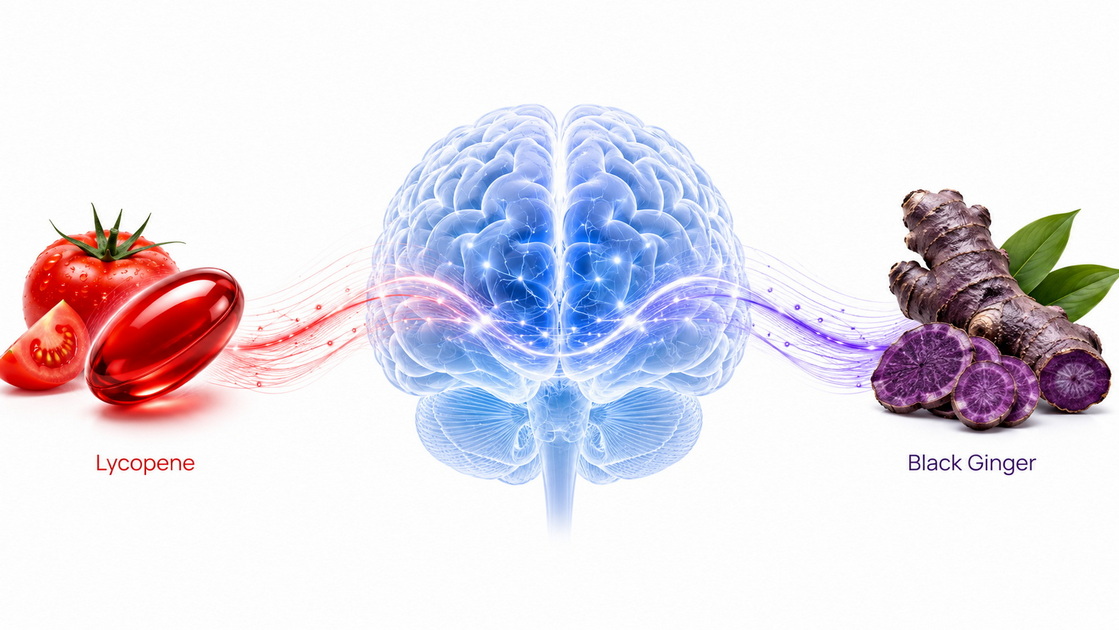
Understanding Neuroinflammation and Why It Matters
Neuroinflammation is a chronic, often low-grade inflammatory response in the brain and central nervous system, driven by microglia activation, oxidative stress, and dysregulated immune signaling. It is increasingly recognized as a key driver behind neurodegenerative disorders, age-related cognitive decline, and metabolic-brain axis dysfunction. [pubs.acs]
From a product development standpoint, neuroinflammation is a high-value target because it connects to multiple health-positioning angles: healthy aging, cognitive performance, mood support, and metabolic resilience. Brands that can substantiate "neuroinflammation support" with mechanistic and preclinical evidence gain an edge in both regulatory conversations and B2B customer trust. [pmc.ncbi.nlm.nih]
Lycopene: Evidence-Based Pathways for Neuroinflammation Mitigation
Lycopene is a red carotenoid pigment found in tomatoes and other red fruits, known for strong antioxidant and anti-inflammatory properties. It is fat-soluble, accumulates in tissues including the brain, and has been widely studied for cardiovascular, metabolic, and neuroprotective benefits. [sciencedirect]
Key neuroinflammation-related effects supported by preclinical and mechanistic studies include:
- Reduction of microglial activation and neuroinflammatory markers: Dietary lycopene supplementation has been shown to reduce microgliosis and downregulate inflammatory mediators in aged animal models. [pubs.acs]
- Attenuation of oxidative stress in the brain: Lycopene decreases markers like malondialdehyde and increases endogenous antioxidant enzymes such as glutathione, catalase, and superoxide dismutase. [pmc.ncbi.nlm.nih]
- Improved synaptic function and cognition: Studies report improved memory, reduced neuronal damage, and better synaptic protein expression after chronic lycopene supplementation in animals. [pubmed.ncbi.nlm.nih]
- Modulation of insulin resistance and mitochondrial function in the brain–liver axis, which indirectly reduces neuroinflammatory burden in systemic inflammation models. [pubmed.ncbi.nlm.nih]
From an industry expert perspective, lycopene offers:
- A relatively well-characterized mechanism (antioxidant gene expression, NF-κB modulation, mitochondrial protection). [sciencedirect]
- A clear narrative bridge between cardiovascular, metabolic, and brain health claims, which is highly valuable for multi-positioned formulations. [pubs.acs]
Black Ginger Extract: Emerging Neuro-Inflammomodulatory Potential
Black ginger (Kaempferia parviflora) is a rhizome traditionally used in Southeast Asia for vitality, circulation, and stamina, and is rich in polymethoxyflavones and related bioactives. Modern research has focused heavily on its impact on energy metabolism, physical performance, and systemic inflammation. [matcha]
Neuroinflammation-relevant actions (based largely on preclinical and indirect data) include:
- Antioxidant effects and reduction of oxidative stress: Black ginger extracts demonstrate antioxidant activity and reduced oxidative stress markers in various experimental models. [caringsunshine]
- Anti-inflammatory activity and improved inflammatory signaling: Human and animal data suggest better inflammatory and metabolic profiles, which may indirectly benefit the neuroinflammatory milieu. [pmc.ncbi.nlm.nih]
- Potential cognitive and neuroprotective effects: Preclinical studies in animals indicate improvements in memory tasks and protection against memory impairment, likely via antioxidant activity, acetylcholinesterase inhibition, and improved cerebral blood flow. [caringsunshine]
However, as an expert content strategist, it's important to emphasize that:
- Robust human clinical data on neuroinflammation or cognitive endpoints are still limited, with most black ginger evidence in the neuro domain coming from early-stage or animal studies. [caringsunshine]
- Its strongest evidence niche today is still physical performance, endurance, and metabolic health, with brain health benefits positioned as secondary or emerging. [matcha]
Head-to-Head: Lycopene vs. Black Ginger for Neuroinflammation
Neuroinflammation-Focused Feature Table
| Dimension | Lycopene | Black Ginger Extract |
| Primary chemical class | Carotenoid antioxidant pigment pubs.acs | Polymethoxyflavone-rich rhizome extract matcha |
| Core neuroinflammation mechanism | Reduces microglial activation, downregulates inflammatory mediators, enhances endogenous antioxidants pubmed.ncbi.nlm.nih | Antioxidant and anti-inflammatory, potential modulation of acetylcholinesterase and cerebral blood flow caringsunshine |
| Evidence strength for brain/neuro | Multiple animal studies with clear cognitive and neuroinflammatory endpoints pubmed.ncbi.nlm.nih | Mainly preclinical animal data, limited human neuro-specific evidence caringsunshine |
| Systemic effects relevant to brain | Improves insulin resistance, mitochondrial function, systemic inflammatory markers pubmed.ncbi.nlm.nih | Improves energy metabolism, endurance, systemic inflammation, and circulation matcha |
| Typical positioning | Healthy aging, cognitive support, cardiometabolic protection pubs.acs | Vitality, stamina, performance, possible cognitive support adjunct matcha |
| Formulation considerations | Fat-soluble, benefits from lipid-based delivery; synergies with other carotenoids pubs.acs | Often standardized for polymethoxyflavones; may combine with other adaptogenic or performance ingredients matcha |
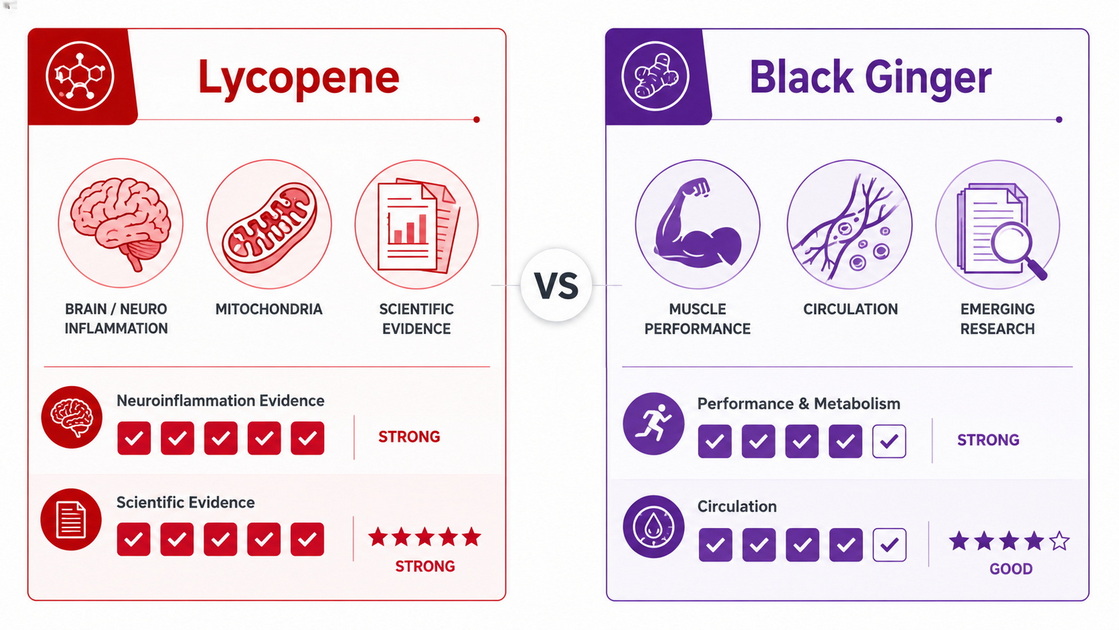
Expert takeaway: For neuroinflammation-first concepts, lycopene currently offers a more solid mechanistic and preclinical evidence base. Black ginger, by contrast, can be positioned as a complementary ingredient focused on metabolic and vascular support that may indirectly support neuroinflammation balance. [pmc.ncbi.nlm.nih]
Mechanistic Pathways: How Each Ingredient Modulates Neuroinflammation
Lycopene's Pathways
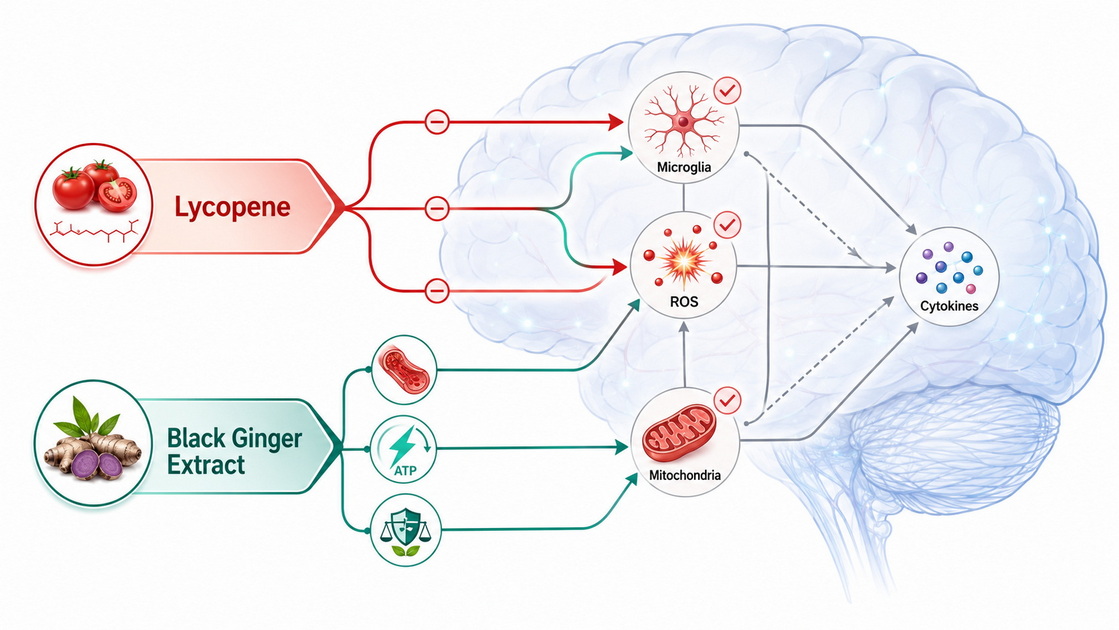
Key pathways where lycopene appears to act include:
- Antioxidant gene activation: Lycopene upregulates antioxidant enzymes and related genes such as heme oxygenase 1 and NAD(P)H quinone oxidoreductase-1, enhancing cellular resilience. [pmc.ncbi.nlm.nih]
- NF-κB and inflammatory signaling modulation: It influences signaling pathways that drive inflammatory gene expression, contributing to reduced production of pro-inflammatory cytokines. [sciencedirect]
- Mitochondrial and metabolic regulation: In systemic inflammation models, lycopene improved mitochondrial function and reduced insulin resistance, which is tightly linked to neuroinflammation and synaptic integrity. [pubmed.ncbi.nlm.nih]
Black Ginger's Pathways
For black ginger, current evidence suggests:
- Antioxidant and anti-inflammatory activity through polymethoxyflavones and other flavonoids, which help neutralize free radicals and modulate inflammatory signaling cascades. [matcha]
- Energy metabolism enhancement, including mitochondrial support and improved muscular endurance, which may reduce systemic inflammatory load and indirectly support neuroinflammation balance. [pmc.ncbi.nlm.nih]
- Possible neurochemical modulation, such as acetylcholinesterase inhibition and improved cerebral blood flow, which may translate into better memory and cognitive performance in animal models. [caringsunshine]
For R&D and regulatory narratives, the mechanistic framing for lycopene can be more direct and neurocentric, while black ginger's story should focus on systemic and circulatory benefits that align with brain health as part of a broader, multimodal strategy. [pubs.acs]
From Lab Bench to Formulation: Product Development Considerations
From a formulator's perspective, both lycopene and black ginger extract can be integrated into neuroinflammation-focused concepts, but their roles differ.
Lycopene – primary neuroinflammation anchor
- Ideal as a core active in brain health, healthy aging, and cognitive resilience formulas, especially those linking oxidative stress, inflammation, and metabolic health. [pmc.ncbi.nlm.nih]
- Works well in fat-containing delivery systems (softgels, oil suspensions, lipid-based capsules) to maximize bioavailability. [pubs.acs]
- Can be combined with other carotenoids, polyphenols, or omega-3s to build a multi-pathway neuroinflammation platform. [sciencedirect]
Black ginger extract – complementary performance and circulation support
- Fits naturally into performance, vitality, and active-lifestyle formulations, adding an angle of circulation, endurance, and metabolic resilience that indirectly supports brain health. [matcha]
- Can be used alongside established neuro ingredients (e.g., lycopene, curcumin, green tea catechins) to create stacked, multi-target formulations. [pmc.ncbi.nlm.nih]
- Particularly attractive in functional beverages or RTD formats that promote energy, focus, and stamina. [matcha]
For a company like Botaniex, with strong capabilities in botanical extracts and formulation development, this opens the door to differentiated dual-pathway concepts: lycopene-driven neuroinflammation support plus black ginger-driven metabolic and circulatory support. [botaniex]
Expert Insight: Positioning Strategy for B2B Customers
Drawing on the expectations of global dietary supplement and functional food brands, an expert messaging strategy would:
1. Lead with lycopene for neuroinflammation claims
- Emphasize mechanistic data on microglial activation, oxidative stress, and cognitive function from animal and mechanistic studies. [pubmed.ncbi.nlm.nih]
- Frame lycopene as an evidence-backed, risk-managed choice for innovation teams targeting healthy aging and brain performance.
2. Position black ginger as a performance and circulation booster
- Highlight human and animal data on endurance, energy metabolism, and systemic inflammation. [pmc.ncbi.nlm.nih]
- Present its neuroinflammatory relevance as emerging, with cautious, structure–function style language around "supporting circulation, oxidative balance, and cognitive performance" where regulation allows. [caringsunshine]
3. Offer modular formulation concepts
- Single-focus: Lycopene-centric neuroinflammation support for premium brain health SKUs.
- Stacked: Lycopene plus black ginger for active agers and professionals seeking both cognitive resilience and physical performance.
This modular strategy lets your B2B partners select the risk–reward profile that fits their regulatory environment and brand positioning, while still benefiting from Botaniex's R&D and customization capabilities. [made-in-china]
How Botaniex Can Add Unique Value
Given Botaniex's expertise in botanical science, extraction technologies, and customized solutions, the company is well-positioned to:
- Develop standardized lycopene ingredients optimized for brain health positioning and compatible with diverse delivery systems. [botaniex]
- Offer black ginger extracts with targeted polymethoxyflavone profiles for performance and metabolic support, tailored to customer regulatory needs. [specialchem]
- Co-create turnkey formulations, from capsules to RTD tea mixes and functional beverages, that integrate both neuroinflammation and performance narratives. [botaniex]
This combination of ingredient quality, R&D support, and value-added services aligns directly with global brands seeking differentiated, science-inspired neuroinflammation offerings. [botaniex]
CTA
To explore lycopene and black ginger extract solutions tailored to your neuroinflammation and performance concepts, contact the Botaniex technical team for custom formulation support and standardized ingredient options. [botaniex]
FAQ: Lycopene and Black Ginger for Neuroinflammation
1. Is lycopene clinically proven to reduce neuroinflammation in humans?
Most of the detailed neuroinflammation data for lycopene currently comes from animal and mechanistic studies, which show reduced microglial activation, oxidative stress, and cognitive decline. Human data are more indirect, typically focusing on cardiovascular or metabolic outcomes that relate to systemic inflammation. [pubmed.ncbi.nlm.nih]
2. Can black ginger extract be marketed directly for brain health?
Evidence linking black ginger directly to brain health and neuroinflammation is still emerging, with limited human trial data; most results come from animal studies on memory and oxidative stress. Many brands therefore adopt cautious, structure–function style claims focused on energy, circulation, and performance, with brain benefits framed more broadly and conservatively. [caringsunshine]
3. Are there safety concerns when combining lycopene and black ginger extract?
Available literature does not report major safety concerns at typical supplemental doses for either lycopene or standardized black ginger extracts in healthy adults, although formal combination studies are limited. Brands should still conduct appropriate safety assessments, follow regional regulatory guidance, and consider target populations when designing combination products. [pmc.ncbi.nlm.nih]
4. What delivery formats work best for neuroinflammation-focused products?
Lycopene performs best in fat-containing formats such as softgels or oil-based capsules, while black ginger extract can be flexibly used in capsules, tablets, or functional beverages. For RTD concepts, encapsulation and stability strategies are important to preserve activity and sensory quality. [botaniex]
5. How can brands differentiate in a crowded brain health market using these ingredients?
Differentiation can come from mechanism-led storytelling, combining lycopene's neuroinflammation and oxidative stress data with black ginger's performance and circulation narrative. Partnering with an experienced supplier such as Botaniex for standardized extracts and custom formulations helps translate this science into compelling, compliant products. [botaniex]
References
1. Liang C et al. "Lycopene supplementation attenuates age-associated neuroinflammation and cognitive impairment." Journal of Agricultural and Food Chemistry. [pubs.acs]
2. Chang Y et al. "Lycopene ameliorates systemic inflammation-induced synaptic dysfunction via improving insulin resistance and mitochondrial dysfunction." Experimental study in mice. [pubmed.ncbi.nlm.nih]
3. A New Target in Inflammatory Diseases: Lycopene. Review on lycopene's anti-inflammatory and antioxidant mechanisms. [pmc.ncbi.nlm.nih]
4. A review for the pharmacological effect of lycopene. Overview of mechanisms including inhibition of oxidative stress and neuroinflammation. [sciencedirect]
5. Black ginger extract increases physical fitness performance and muscular endurance by improving inflammation and energy metabolism. [pmc.ncbi.nlm.nih]
6. Relationship: Memory and Brain Function and Black Ginger. Overview of preclinical data on cognitive performance and oxidative stress. [caringsunshine]
7. Article on ginger and black ginger benefits, highlighting antioxidant and anti-inflammatory actions and performance effects. [matcha]
8. Black Ginger Extract WSPC datasheet highlighting anti-inflammatory and antioxidant properties for topical applications. [specialchem]
9. Botaniex official website: company profile, product categories, and value-added services for botanical extracts and herbal formulations. [made-in-china]