Content Menu
● Introduction to Banaba Leaf Extract
>> Importance of CAS Numbers
● Properties of Banaba Leaf Extract
>> Chemical Properties
>> Biological Effects
>> Mechanism of Action
● Applications of Banaba Leaf Extract
>> Use in Traditional Medicine
● Regulatory Compliance and Safety
>> Safety Considerations
>> Interaction with Medications
● Manufacturing Process
>> Quality Control
>> Future Perspectives
● Conclusion
● FAQ
>> 1. What is the CAS number for Banaba leaf extract?
>> 2. What are the primary health benefits of Banaba leaf extract?
>> 3. How does Banaba leaf extract lower blood sugar?
>> 4. Is Banaba leaf extract safe for everyone?
>> 5. Where is Banaba leaf extract commonly used?
● Citations:
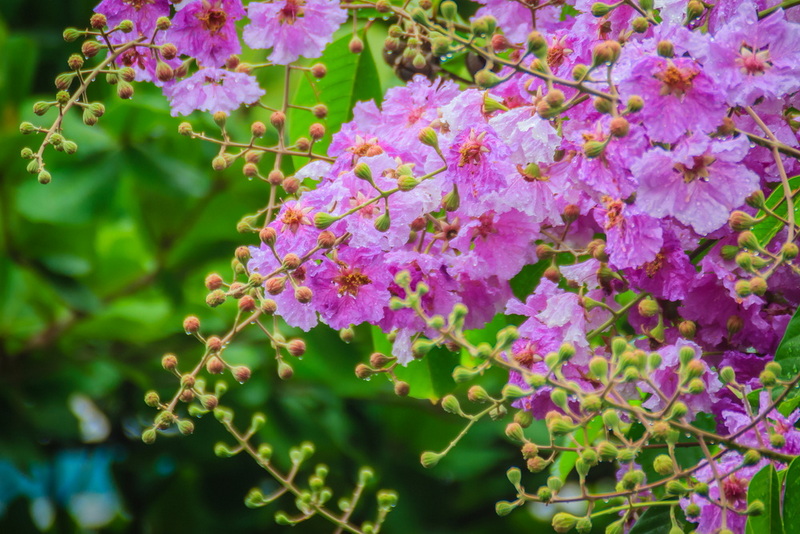
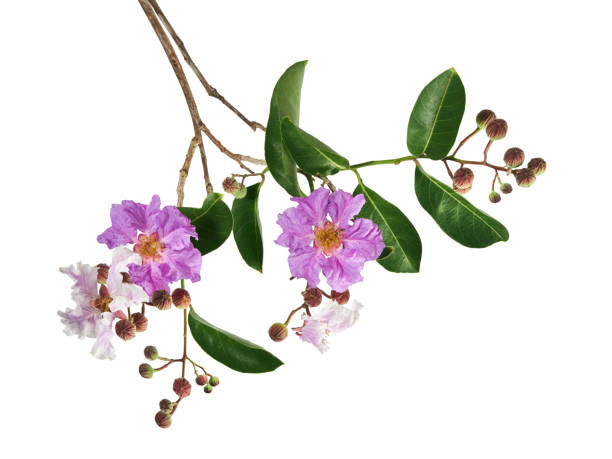
Banaba leaf extract, derived from the leaves of Lagerstroemia speciosa, has been traditionally used in Southeast Asia for its medicinal properties, particularly in managing diabetes and promoting weight loss. The CAS number for Banaba leaf extract is crucial for identifying and standardizing this compound in scientific and commercial contexts. In this article, we will delve into the significance of the CAS number, the properties of Banaba leaf extract, and its applications.
Introduction to Banaba Leaf Extract
Banaba leaf extract is a brown-colored powder obtained from the leaves of the Banaba tree, native to Southeast Asia. It is rich in corosolic acid, a triterpenoid known for its anti-diabetic and antioxidant effects. The CAS number for Banaba leaf extract is often listed as 4547-24-4 for the active ingredient corosolic acid, while the extract itself may have a different CAS number depending on the formulation.
Importance of CAS Numbers
CAS numbers, or Chemical Abstracts Service numbers, are unique identifiers assigned to chemical substances. They are essential for accurately identifying and distinguishing between different compounds in scientific research, manufacturing, and regulatory compliance. For Banaba leaf extract, having a recognized CAS number ensures consistency in product labeling, quality control, and safety assessments.
Properties of Banaba Leaf Extract
Banaba leaf extract contains over 40 beneficial compounds, with corosolic acid being the primary active ingredient. Corosolic acid is known for its ability to facilitate glucose transport into cells, similar to insulin, making it a valuable component in managing blood sugar levels.
Chemical Properties
- Appearance: Banaba leaf extract is typically a light brown to dark brown powder.
- Solubility: It is soluble in water and ethanol.
- Active Ingredients: Corosolic acid and ellagic acid are the main bioactive compounds.
Biological Effects
Banaba leaf extract has been studied for its potential health benefits, including:
- Anti-diabetic Effects: Corosolic acid helps lower blood sugar levels by enhancing glucose uptake in cells.
- Weight Loss: It is used in weight loss supplements due to its ability to promote metabolism and reduce carbohydrate cravings.
- Antioxidant and Anti-inflammatory Activities: These properties contribute to overall health and well-being.
Mechanism of Action
The mechanism of action for Banaba leaf extract involves the activation of insulin receptors, which increases glucose uptake in cells. This process mimics the action of insulin, making it beneficial for individuals with insulin resistance or type 2 diabetes.
Applications of Banaba Leaf Extract
Banaba leaf extract is used in various applications:
1. Pharmaceuticals: As a raw material for diabetes treatments due to its corosolic acid content.
2. Dietary Supplements: Commonly found in weight loss and blood sugar management products.
3. Traditional Medicine: Used in tea infusions for treating diabetes and hyperglycemia.
Use in Traditional Medicine
In traditional Southeast Asian medicine, Banaba leaves are often brewed into tea to manage blood sugar levels. This practice has been passed down through generations, highlighting the extract's historical significance in local healthcare practices.
Regulatory Compliance and Safety
The CAS number ensures that Banaba leaf extract meets regulatory standards for safety and efficacy. It helps manufacturers comply with labeling requirements and ensures that consumers receive a consistent product.
Safety Considerations
While generally considered safe, Banaba leaf extract may interact with certain medications or exacerbate conditions like hypoglycemia. It is essential to consult healthcare professionals before using it, especially for individuals with diabetes.
Interaction with Medications
Banaba leaf extract can interact with diabetes medications, potentially lowering blood sugar levels too much. Therefore, monitoring blood glucose levels regularly is crucial when using this extract alongside other treatments.
Manufacturing Process
The manufacturing process for Banaba leaf extract involves several steps:
1. Harvesting: Leaves are harvested from mature Banaba trees.
2. Drying: Leaves are dried to remove moisture.
3. Extraction: Active compounds are extracted using solvents like ethanol or water.
4. Purification: The extract is purified to concentrate corosolic acid and other bioactive compounds.
Quality Control
Quality control measures are critical to ensure the purity and potency of Banaba leaf extract. This includes testing for contaminants, heavy metals, and verifying the presence of corosolic acid through techniques like HPLC (High-Performance Liquid Chromatography).
Future Perspectives
As interest in natural health products continues to grow, Banaba leaf extract is likely to become more prominent in the global market. Its potential benefits for diabetes management and weight loss make it an attractive ingredient for pharmaceutical and dietary supplement companies. However, further research is needed to fully understand its long-term effects and optimal dosing strategies.
Conclusion
In conclusion, the CAS number for Banaba leaf extract is crucial for its identification, standardization, and regulatory compliance. The extract's potential health benefits, particularly in managing diabetes and promoting weight loss, make it a valuable component in both traditional and modern medicine.
Banaba leaf extract, with its CAS number ensuring standardization, offers promising health benefits. Its use in traditional medicine and modern supplements highlights its versatility and potential for improving health outcomes. As research continues, we can expect to see more applications of this extract in the healthcare industry.
FAQ
1. What is the CAS number for Banaba leaf extract?
The CAS number for the active ingredient corosolic acid in Banaba leaf extract is 4547-24-4. However, the CAS number for the extract itself may vary based on the formulation.
2. What are the primary health benefits of Banaba leaf extract?
Banaba leaf extract is primarily used for its anti-diabetic properties, weight loss support, and antioxidant activities.
3. How does Banaba leaf extract lower blood sugar?
Corosolic acid in Banaba leaf extract facilitates glucose transport into cells, similar to insulin, thereby lowering blood sugar levels.
4. Is Banaba leaf extract safe for everyone?
While generally safe, Banaba leaf extract may interact with certain medications or worsen conditions like hypoglycemia. It is advisable to consult a healthcare professional before use.
5. Where is Banaba leaf extract commonly used?
Banaba leaf extract is traditionally used in Southeast Asia, particularly in the Philippines, for treating diabetes and hyperglycemia.
Citations:
[1] https://www.atamanchemicals.com/banaba-lagerstroemia-speciosa-extract_u30987/
[2] https://huggingface.co/openbmb/cpm-bee-1b/commit/bd72a61dd7a59086ed7456f1dfcaa995c8ec58a3.diff
[3] https://www.rialpharma.it/en/banaba-leaf/
[4] https://www.cabidigitallibrary.org/doi/pdf/10.5555/20123173411
[5] https://arbiotechem.en.made-in-china.com/product/sBDJAEgxYNYF/China-Best-Quality-Banaba-Leaf-Extract-CAS-4547-24-4-Corosolic-Acid.html
[6] https://pmc.ncbi.nlm.nih.gov/articles/PMC7723172/
[7] https://onlinelibrary.wiley.com/doi/10.1002/ptr.3664
[8] https://www.healthline.com/nutrition/banaba-leaf