Content Menu
● Introduction to Cinnamon and Its Varieties
>> Cinnamon Bark Extract Composition
● Antiviral Properties of Cinnamon Bark Extract
>> Studies on Antiviral Activity
>> Mechanism of Action
● Other Health Benefits of Cinnamon Bark Extract
● Potential Applications and Future Research
● Historical Use of Cinnamon for Health
>> Traditional Chinese Medicine
>> Ayurvedic Medicine
● Safety and Precautions
● Additional Resources
● Future Directions
● Public Health Implications
● Conclusion
● FAQs
>> 1. What are the main types of cinnamon used for health benefits?
>> 2. How does cinnamon bark extract work against viruses?
>> 3. Can cinnamon bark extract be used to treat viral infections like the flu?
>> 4. What are the potential side effects of using cinnamon bark extract?
>> 5. How can I incorporate cinnamon bark extract into my diet for antiviral benefits?
● Citations:
Cinnamon, a spice commonly used in cooking and baking, has been studied for its potential health benefits, including its antiviral properties. Specifically, cinnamon bark extract has shown promise in combating viral infections naturally. This article explores the scientific evidence supporting the use of cinnamon bark extract as an antiviral agent and discusses its potential applications.
Introduction to Cinnamon and Its Varieties
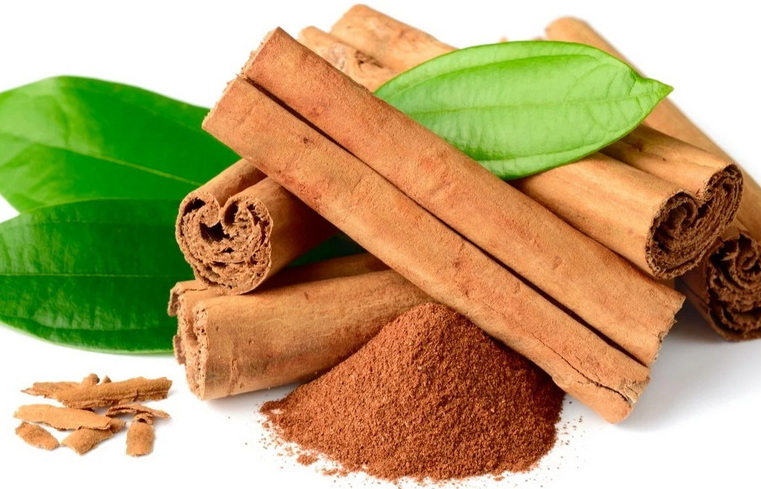
Cinnamon is derived from the bark of several tree species in the genus Cinnamomum. The most commonly used varieties are Ceylon cinnamon (Cinnamomum verum) and Cassia cinnamon (Cinnamomum cassia). Each type has distinct properties and uses, with Ceylon cinnamon being considered more delicate and Cassia cinnamon being stronger and less expensive.
Cinnamon Bark Extract Composition
Cinnamon bark extract is rich in compounds like cinnamaldehyde, which is responsible for many of its health benefits. Cinnamaldehyde has been shown to have antioxidant, anti-inflammatory, and antimicrobial effects.
Antiviral Properties of Cinnamon Bark Extract
Research has demonstrated that cinnamon bark extract possesses antiviral properties, making it a potential natural remedy for fighting viral infections.
Studies on Antiviral Activity
1. Phi X Virus Study: A study presented at the American Society for Microbiology Annual Meeting found that cinnamon extracts were effective in deactivating the Phi X virus, which infects bacteria and shares similarities with viruses affecting humans. The extract containing 10% cinnamon deactivated 99.9% to 100% of the virus within 10 minutes.
2. Silver Nanoparticles and Influenza Virus: Another study used silver nanoparticles derived from Cinnamomum cassia (Cassia cinnamon) to enhance antiviral activity against the H7N3 influenza virus. These nanoparticles were effective both before and after viral infection in cell cultures.
Mechanism of Action
Cinnamon's antiviral effects are believed to result from its ability to damage viral structures and inhibit enzymes necessary for viral replication. For example, cinnamaldehyde, a major component of cinnamon essential oil, can inhibit ACE2 and TMPRSS2 enzymes, which are crucial for viral entry into host cells.
Other Health Benefits of Cinnamon Bark Extract
Beyond its antiviral properties, cinnamon bark extract offers several other health benefits:
- Anti-inflammatory Effects: Cinnamon extracts have been shown to reduce inflammation by inhibiting NF-κB activation, which is involved in the production of pro-inflammatory cytokines.
- Antioxidant Properties: Cinnamon contains antioxidants that help protect against oxidative stress and cell damage.
- Blood Sugar Control: Cinnamon has been studied for its potential to lower blood glucose levels, making it of interest for diabetes management.
Potential Applications and Future Research
While cinnamon bark extract shows promise as an antiviral agent, more research is needed to fully understand its effects in humans. Potential applications include:
- Natural Antiviral Supplements: Cinnamon could be developed into supplements to support immune function and prevent viral infections.
- Combination Therapies: Cinnamon extracts might be used in combination with conventional antiviral medications to enhance their efficacy.
Historical Use of Cinnamon for Health
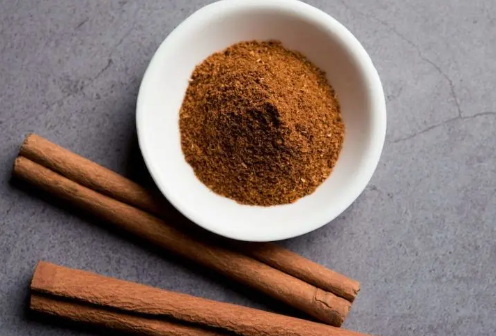
Cinnamon has been used for centuries in traditional medicine for various health conditions. Its antiviral properties have been recognized in folk remedies, where it is often combined with other herbs to treat infections.
Traditional Chinese Medicine
In traditional Chinese medicine, cinnamon is used to treat conditions associated with colds and flu, leveraging its warming properties to balance the body's energy.
Ayurvedic Medicine
In Ayurveda, cinnamon is valued for its ability to enhance digestion and reduce inflammation, which can indirectly support immune function against viral infections.
Safety and Precautions
While cinnamon is generally safe, there are precautions to consider:
- Coumarin Content: Cassia cinnamon contains higher levels of coumarin, which can be toxic in large doses. Ceylon cinnamon has lower coumarin levels and is safer for long-term use.
- Interactions with Medications: Cinnamon may interact with certain medications, such as blood thinners, and should be used under medical supervision.
Additional Resources
For those interested in learning more about the antiviral properties of cinnamon bark extract, several scientific studies and reviews are available. These resources provide detailed insights into the mechanisms of action and potential applications of cinnamon in antiviral therapy.
Future Directions
As research continues to uncover the potential of cinnamon bark extract as an antiviral agent, future studies should focus on:
- Clinical Trials: Conducting human clinical trials to confirm the efficacy and safety of cinnamon bark extract against viral infections.
- Combination Therapies: Investigating the use of cinnamon extracts in combination with existing antiviral medications to enhance treatment outcomes.
Public Health Implications
The potential use of cinnamon bark extract as an antiviral agent has significant public health implications. It could provide a natural, cost-effective option for preventing and treating viral infections, especially in regions with limited access to conventional antiviral medications.
Conclusion
Cinnamon bark extract, particularly through its active compound cinnamaldehyde, exhibits significant antiviral properties that could help combat viral infections naturally. While promising, further studies are necessary to confirm its effectiveness in humans and explore its potential applications in medicine.
In conclusion, cinnamon bark extract offers promising antiviral properties that could contribute to the development of natural remedies for viral infections. As research progresses, it is essential to consider both the benefits and potential risks associated with its use. By exploring the full potential of cinnamon bark extract, we may uncover new avenues for combating viral diseases naturally.
FAQs
1. What are the main types of cinnamon used for health benefits?
The two main types of cinnamon used for health benefits are Ceylon cinnamon (Cinnamomum verum) and Cassia cinnamon (Cinnamomum cassia). Ceylon cinnamon is considered safer for long-term use due to its lower coumarin content.
2. How does cinnamon bark extract work against viruses?
Cinnamon bark extract works against viruses by damaging their structures and inhibiting enzymes necessary for viral replication. Compounds like cinnamaldehyde play a key role in these processes.
3. Can cinnamon bark extract be used to treat viral infections like the flu?
While cinnamon bark extract shows antiviral activity, it is not currently recommended as a standalone treatment for viral infections like the flu. More research is needed to confirm its efficacy in humans.
4. What are the potential side effects of using cinnamon bark extract?
Cinnamon is generally safe when consumed in small amounts. However, high doses or prolonged use can cause side effects due to its coumarin content, which may interact with certain medications or worsen liver conditions.
5. How can I incorporate cinnamon bark extract into my diet for antiviral benefits?
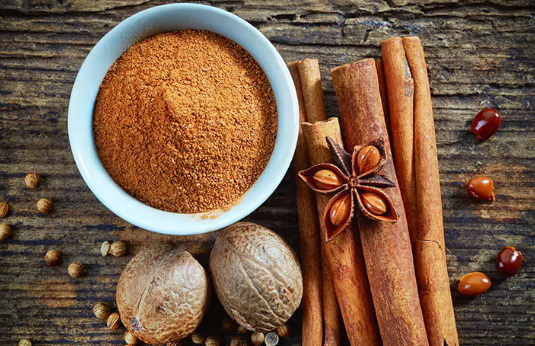
Cinnamon bark extract can be consumed as a supplement or added to food and beverages. However, it is important to consult with a healthcare provider before starting any new supplement regimen.
Citations:
[1] https://nyscas.touro.edu/news--events/press-releases/dr-schiffenbauer-cinnamon-research-presented-at-asm-meeting.php
[2] https://pmc.ncbi.nlm.nih.gov/articles/PMC4003790/
[3] https://huggingface.co/openbmb/VisCPM-Chat/raw/main/vocab.txt
[4] https://pmc.ncbi.nlm.nih.gov/articles/PMC4586554/
[5] https://pubs.rsc.org/en/content/articlehtml/2021/fo/d1fo01935j
[6] https://pubs.acs.org/doi/10.1021/acsomega.3c09595
[7] https://www.nccih.nih.gov/health/cinnamon
[8] https://pubmed.ncbi.nlm.nih.gov/26403820/
[9] https://www.frontiersin.org/journals/plant-science/articles/10.3389/fpls.2021.589783/full