Content Menu
● Introduction to Cinnamon
>> Cinnamon Bark Oil
>> Cinnamon Leaf Oil
>> Cinnamon Bark Extract
● Comparison of Cinnamon Bark Extract and Cinnamon Oil
>> Aroma and Flavor
>> Production Process
>> Uses and Benefits
>> Safety Considerations
● Applications in Cosmetics and Aromatherapy
>> Cosmetic Applications
>> Aromatherapy Benefits
● Nutritional and Medicinal Benefits
>> Antioxidant Properties
>> Blood Sugar Regulation
>> Anti-Inflammatory Effects
● Cultural and Historical Significance
>> Ancient Trade Routes
>> Traditional Medicine
>> Culinary Uses
● Conclusion
● FAQ
>> 1. What is the difference between cinnamon bark oil and cinnamon leaf oil?
>> 2. How is cinnamon bark extract used in cosmetics?
>> 3. What are the safety considerations for using cinnamon bark oil?
>> 4. Can cinnamon bark oil be used in aromatherapy?
>> 5. How does cinnamon bark extract compare to cinnamon oil in terms of aroma?
● Citations:
Cinnamon, derived from the Cinnamomum zeylanicum tree, is renowned for its aromatic and medicinal properties. Two popular forms of cinnamon are cinnamon bark extract and cinnamon oil, which can be further categorized into cinnamon bark oil and cinnamon leaf oil. This article will delve into the differences and similarities between cinnamon bark extract and cinnamon oil, exploring their production processes, uses, benefits, and safety considerations.

Introduction to Cinnamon
Cinnamon is a spice obtained from the inner bark of the cinnamon tree, native to Sri Lanka. It has been used for centuries in cooking, traditional medicine, and perfumery due to its warm, sweet, and spicy aroma. The tree's leaves and bark are used to produce essential oils, each with distinct characteristics.
Cinnamon Bark Oil
Cinnamon bark oil is extracted from the inner bark of the cinnamon tree through a labor-intensive process involving steam distillation. This oil is known for its strong, warm, and spicy aroma with a sweet undertone, making it highly popular in aromatherapy and perfumery.
Cinnamon Leaf Oil
Cinnamon leaf oil, on the other hand, is derived from the leaves of the cinnamon tree. It has a lighter, musky, and warm fragrance compared to cinnamon bark oil. The production process is less labor-intensive, making it generally less expensive than cinnamon bark oil.
Cinnamon Bark Extract
Cinnamon bark extract is a concentrated form of cinnamon bark, often used in cosmetics and pharmaceuticals. It can be prepared through various methods, including solvent extraction and ultrasonic extraction, which help retain its bioactive compounds like tannins and flavones.
Comparison of Cinnamon Bark Extract and Cinnamon Oil
Aroma and Flavor
- Cinnamon Bark Oil: Known for its strong, warm, and spicy aroma with a sweet undertone, making it ideal for aromatherapy and perfumery.
- Cinnamon Leaf Oil: Has a lighter, musky, and warm fragrance, often used in home diffuser blends and cosmetic products.
- Cinnamon Bark Extract: While not an oil, it retains the characteristic cinnamon flavor and aroma, useful in food and cosmetics.
Production Process
- Cinnamon Bark Oil: Requires a labor-intensive process involving the harvesting of inner bark, drying, and steam distillation.
- Cinnamon Leaf Oil: Easier to produce as it involves steam distillation of leaves.
- Cinnamon Bark Extract: Involves crushing and extracting the bark using solvents or ultrasonic methods.
Uses and Benefits
- Cinnamon Bark Oil: Used in aromatherapy for its mood-enhancing and warming properties. It is also added to cosmetics for its antiseptic and astringent properties.
- Cinnamon Leaf Oil: Often used in home diffusers and cosmetic products for its lighter aroma.
- Cinnamon Bark Extract: Commonly used in cosmetics and pharmaceuticals for its antioxidant and astringent properties.
Safety Considerations
- Cinnamon Bark Oil: Can cause skin irritation if not diluted properly. It should be avoided by pregnant women and kept away from eyes.
- Cinnamon Leaf Oil: Generally considered safer than cinnamon bark oil but still requires proper dilution.
- Cinnamon Bark Extract: While generally safe, it should be used according to the recommended concentrations to avoid adverse effects.
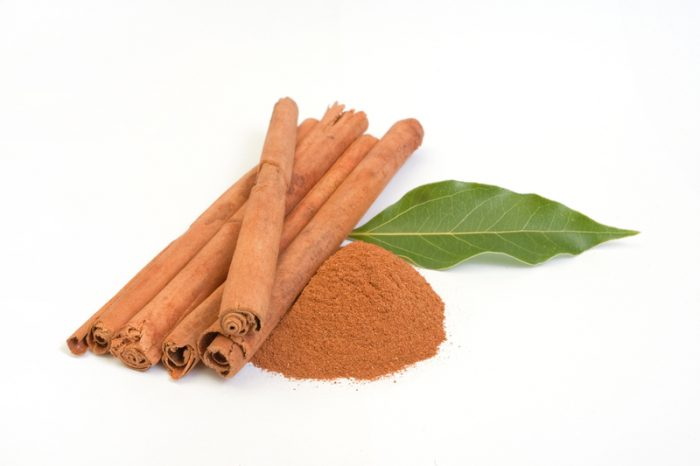
Applications in Cosmetics and Aromatherapy
Both cinnamon bark oil and extract are valued in the cosmetic and aromatherapy industries for their unique properties.
Cosmetic Applications
Cinnamon bark oil and extract are used in skincare products for their astringent and antioxidant properties, which help in toning the skin and reducing signs of aging. In hair care, cinnamon bark oil can help cleanse the scalp and promote thicker hair.
Aromatherapy Benefits
Cinnamon bark oil is renowned for its mood-enhancing and warming properties, making it a popular choice in aromatherapy for relaxation and stress relief.
Nutritional and Medicinal Benefits
Cinnamon, in all its forms, is known for its nutritional and medicinal benefits. It contains antioxidants, which help protect the body against oxidative stress. Cinnamon also has anti-inflammatory properties and can help regulate blood sugar levels.
Antioxidant Properties
Cinnamon bark extract is rich in antioxidants, which help neutralize free radicals in the body, potentially reducing the risk of chronic diseases like heart disease and cancer.
Blood Sugar Regulation
Cinnamon has been studied for its potential to help manage blood sugar levels. The bioactive compounds in cinnamon bark extract may enhance insulin sensitivity, making it beneficial for individuals with diabetes.
Anti-Inflammatory Effects
Cinnamon's anti-inflammatory properties can help reduce inflammation in the body, which is linked to various health conditions, including arthritis and other inflammatory diseases.
Cultural and Historical Significance
Cinnamon has a rich cultural and historical significance, being one of the most valuable spices in ancient times. It was used not only for culinary purposes but also in traditional medicine and rituals.
Ancient Trade Routes
Cinnamon was a major commodity in ancient trade routes, particularly the Silk Road, where it was traded for its value in cooking and medicine.
Traditional Medicine
In traditional medicine, cinnamon was used for its warming properties and to treat various ailments, including digestive issues and respiratory infections.
Culinary Uses
Cinnamon is widely used in baking and cooking, adding flavor to desserts, savory dishes, and beverages. Its warm, sweet aroma makes it a staple in many cuisines around the world.
Conclusion
Cinnamon bark extract and cinnamon oil, particularly cinnamon bark oil, offer distinct benefits and uses. While cinnamon bark oil is prized for its strong aroma and antiseptic properties, cinnamon bark extract is valued for its antioxidant and astringent properties in cosmetics. Understanding these differences can help individuals choose the best form of cinnamon for their needs.
FAQ
1. What is the difference between cinnamon bark oil and cinnamon leaf oil?
Cinnamon bark oil has a stronger, warmer, and spicier aroma compared to cinnamon leaf oil, which is lighter and muskier. The production process for cinnamon bark oil is more labor-intensive, making it generally more expensive.
2. How is cinnamon bark extract used in cosmetics?
Cinnamon bark extract is used in cosmetics for its antioxidant and astringent properties, helping to tone and cleanse the skin, and promote healthy hair growth.
3. What are the safety considerations for using cinnamon bark oil?
Cinnamon bark oil can cause skin irritation if not properly diluted. It should be avoided by pregnant women and kept away from eyes. Repeated or undiluted use can lead to skin sensitization.
4. Can cinnamon bark oil be used in aromatherapy?
Yes, cinnamon bark oil is commonly used in aromatherapy for its warming and mood-enhancing properties. It helps in relaxation and stress relief.
5. How does cinnamon bark extract compare to cinnamon oil in terms of aroma?
Cinnamon bark extract retains the characteristic cinnamon flavor and aroma but is not an oil. Cinnamon bark oil has a strong, sweet, and spicy aroma, while cinnamon leaf oil is lighter and muskier.
Citations:
[1] https://n-essentials.com.au/blog/what-is-the-difference-between-cinnamon-leaf-essential-oil-and-cinnamon-bark-oil/
[2] https://www.bmvfragrances.com/in-product-11
[3] https://patents.google.com/patent/CN107496269A/en
[4] https://www.edensgarden.com/blogs/news/this-or-that-cinnamon-leaf-and-cinnamon-bark
[5] https://www.newdirectionsaromatics.com/blog/cinnamon-bark-essential-oil-benefits/
[6] https://www.mdpi.com/2076-3417/12/3/1284
[7] https://tahiro.com/blogs/education/cinnamon-oil-vs-cinnamon-extract
[8] https://www.healthline.com/health/cinnamon-oil