Content Menu
● Introduction to Banaba Leaf Extract
>> Benefits of Banaba Leaf Extract
● Market Trends and Growth
>> Market Size and Projection
>> Challenges and Opportunities
● Consumer Trends and Preferences
>> Regional Market Analysis
>> Impact of Social Media and E-commerce
● Scientific Research and Development
>> Future Research Directions
● Conclusion
● Frequently Asked Questions
>> 1. What are the primary health benefits of Banaba leaf extract?
>> 2. How does Banaba leaf extract help with blood sugar regulation?
>> 3. Is Banaba leaf extract safe for consumption?
>> 4. What are the market challenges facing Banaba leaf extract?
>> 5. What are the future prospects for Banaba leaf extract in the dietary supplement market?
● Citations:
The dietary supplement market has witnessed a significant shift towards natural and herbal products in recent years. Among these, Banaba leaf extract has emerged as a promising ingredient due to its potential health benefits, particularly in managing blood sugar levels and aiding weight loss. This article explores the growing trend of Banaba leaf extract in the dietary supplement market, its benefits, challenges, and future prospects.
Introduction to Banaba Leaf Extract
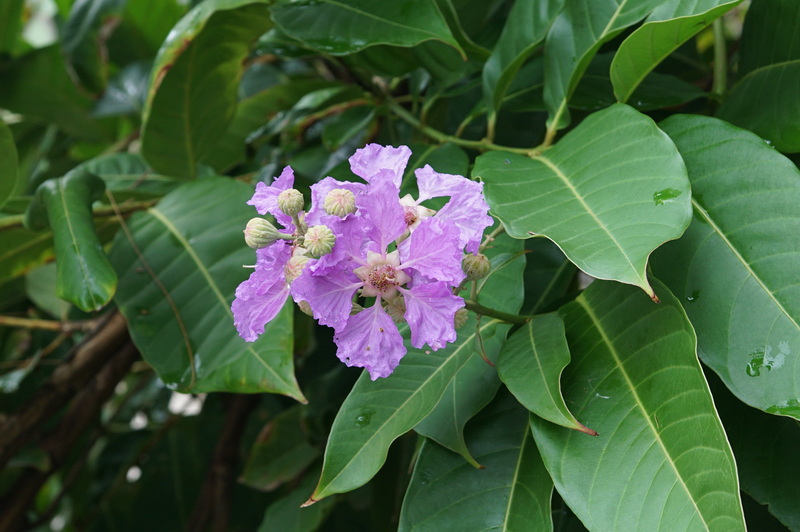
Banaba leaves, derived from the Lagerstroemia speciosa tree, have been used for centuries in traditional medicine, especially in Southeast Asia. The leaves contain corosolic acid, a compound known for its insulin-like effects, helping to regulate blood sugar levels by facilitating glucose uptake into cells.
Benefits of Banaba Leaf Extract
1. Blood Sugar Regulation: Studies have shown that Banaba leaf extract can significantly reduce blood sugar levels in individuals with type 2 diabetes, making it a valuable natural remedy for diabetes management. This effect is attributed to corosolic acid, which enhances insulin sensitivity and promotes glucose uptake in cells.
2. Antioxidant Properties: Rich in antioxidants like ellagic acid and gallic acid, Banaba leaves help neutralize free radicals, reducing oxidative stress and cellular damage. These antioxidants also contribute to overall health by protecting against chronic diseases such as heart disease and cancer.
3. Weight Management: Emerging research suggests that Banaba leaves may aid in weight loss by regulating blood sugar levels and inhibiting fat cell formation. This dual action can support weight management efforts, particularly when combined with a balanced diet and regular exercise.
4. Anticancer and Antiviral Effects: Some studies indicate potential anticancer and antiviral properties, though more research is needed to confirm these benefits. The presence of antioxidants and other bioactive compounds may contribute to these effects by protecting cells from damage and supporting immune function.
Market Trends and Growth
The Banaba leaf extract market is experiencing significant growth, driven by increasing consumer awareness of natural remedies and the rising demand for herbal supplements. The global herbal supplement market was valued at approximately $132 billion in 2020 and is expected to grow steadily.
Market Size and Projection
- Banaba Corosolic Acid Extract Market: Valued at $0.15 billion in 2022, it is projected to reach $0.25 billion by 2030, growing at a CAGR of 7.5% from 2024.
- Banaba Leaf Extract Market: Valued at $827.92 million in 2021, it is expected to grow to $1,204.69 million by 2029 at a CAGR of 4.8%.
Challenges and Opportunities
Despite its promising potential, the Banaba leaf extract market faces challenges such as regulatory hurdles and quality control issues. Variability in raw material quality can impact product efficacy and safety, necessitating strict quality assurance measures.
However, opportunities for expansion exist in integrating corosolic acid into mainstream products like energy drinks and health bars, as well as exploring new medicinal applications. The rise of e-commerce platforms has made these products more accessible, further fueling market growth.
Consumer Trends and Preferences
Consumers are increasingly seeking natural and plant-based dietary supplements, driving the demand for Banaba leaf extract. The trend towards holistic health and wellness has led to a surge in interest in herbal remedies, with Banaba leaf extract being one of the emerging stars.
Regional Market Analysis
- Asia-Pacific: Expected to hold the largest market share due to traditional medicine practices and high demand in countries like Japan. The cultural familiarity with herbal remedies in this region supports the market's growth.
- North America and Europe: Growing demand due to increased awareness of herbal health products. Consumers in these regions are becoming more health-conscious, seeking natural alternatives to conventional pharmaceuticals.
Impact of Social Media and E-commerce
Social media platforms and e-commerce websites have played a crucial role in promoting Banaba leaf extract products. Online reviews and testimonials from satisfied customers help build trust and increase visibility, contributing to market expansion.
Scientific Research and Development
Ongoing scientific research is crucial for validating the health benefits of Banaba leaf extract and expanding its applications. Studies focusing on its efficacy in managing metabolic disorders and exploring potential anticancer properties are underway.
Future Research Directions
Future research should focus on:
1. Clinical Trials: Conducting large-scale clinical trials to confirm the efficacy and safety of Banaba leaf extract for various health conditions.
2. Mechanism of Action: Investigating the precise mechanisms by which corosolic acid and other compounds in Banaba leaves exert their effects on the body.
3. Product Standardization: Developing standardized extracts to ensure consistent quality across different products.
Conclusion
Banaba leaf extract is indeed a growing trend in the dietary supplement market, driven by its potential health benefits and increasing consumer preference for natural remedies. As research continues to uncover its therapeutic benefits, the market is poised for significant expansion into new product categories and applications.

Frequently Asked Questions
1. What are the primary health benefits of Banaba leaf extract?
Banaba leaf extract is primarily known for its ability to regulate blood sugar levels and aid in weight management. It also offers antioxidant properties and potential anticancer effects.
2. How does Banaba leaf extract help with blood sugar regulation?
Banaba leaf extract contains corosolic acid, which mimics insulin by facilitating glucose uptake into cells, thus helping to lower blood sugar levels.
3. Is Banaba leaf extract safe for consumption?
Generally considered safe, Banaba leaf extract may interact with certain medications or exacerbate conditions like hypoglycemia. It should be used under medical supervision.
4. What are the market challenges facing Banaba leaf extract?
Challenges include regulatory hurdles, quality control issues, and variability in raw material quality, which can impact product efficacy and safety.
5. What are the future prospects for Banaba leaf extract in the dietary supplement market?
Future prospects include integration into mainstream products like energy drinks and health bars, as well as potential new medicinal applications in weight management and metabolic health.
Citations:
[1] https://www.verifiedmarketreports.com/product/banaba-corosolic-acid-extract-market/
[2] https://naturmedscientific.com/banaba-leaf/
[3] https://patents.google.com/patent/CN113142574A/zh
[4] https://www.maximizemarketresearch.com/market-report/global-banaba-leaf-extract-market/77773/
[5] https://www.healthline.com/nutrition/banaba-leaf
[6] https://pmc.ncbi.nlm.nih.gov/articles/PMC10494279/
[7] https://www.iherb.com/pr/1/9270
[8] https://www.webmd.com/vitamins/ai/ingredientmono-1089/banaba
[9] https://www.sohu.com/a/846632226_121124322
[10] https://patents.google.com/patent/CN104640555A/zh