Content Menu
● Grape Skin Extract Vs. Cranberry Extract: Managing NK-Cell Activity Enhancement
● Understanding NK Cells and Why They Matter for Product Development
● Phytochemical Profiles – Why Grape Skin and Cranberry Matter for NK Cells
>> Grape Skin Extract – A Resveratrol‑Rich NK-Cell Ally
>> Cranberry Extract – Proanthocyanidins with Indirect Immune Benefits
● Head-to-Head: Grape Skin Extract vs. Cranberry Extract for NK-Cell Activity
>> Expert-Oriented Comparison Table
● Mechanisms: How Grape Skin Polyphenols Enhance NK-Cell Activity
>> Resveratrol and NK-Cell Activation Pathways
>> Antioxidant and Microenvironment Effects
● Practical Formulation Insights from an Industry Perspective
>> When to Prioritize Grape Skin Extract
>> When Cranberry Still Adds Value
● From R&D to Market: How to Integrate NK-Cell Messaging Responsibly
>> Example Step-by-Step Formulation Approach
>> Labeling and Claim Strategy (Expert View)
● Why Partner with Botaniex for NK-Cell–Oriented Formulations?
● FAQs on Grape Skin Extract, Cranberry Extract, and NK-Cell Activity
● References
For brands developing immune-support supplements, grape skin extract currently shows a stronger mechanistic and preclinical rationale for enhancing NK-cell activity than cranberry extract, largely due to its rich content of resveratrol and other polyphenols that have been shown to activate NK cells and support anti‑tumor immunity. Cranberry remains a valuable ingredient for urinary tract and general antioxidant support, but evidence for direct NK‑cell modulation is weaker and more indirect compared with grape-derived polyphenols. [pubmed.ncbi.nlm.nih]
Grape Skin Extract Vs. Cranberry Extract: Managing NK-Cell Activity Enhancement
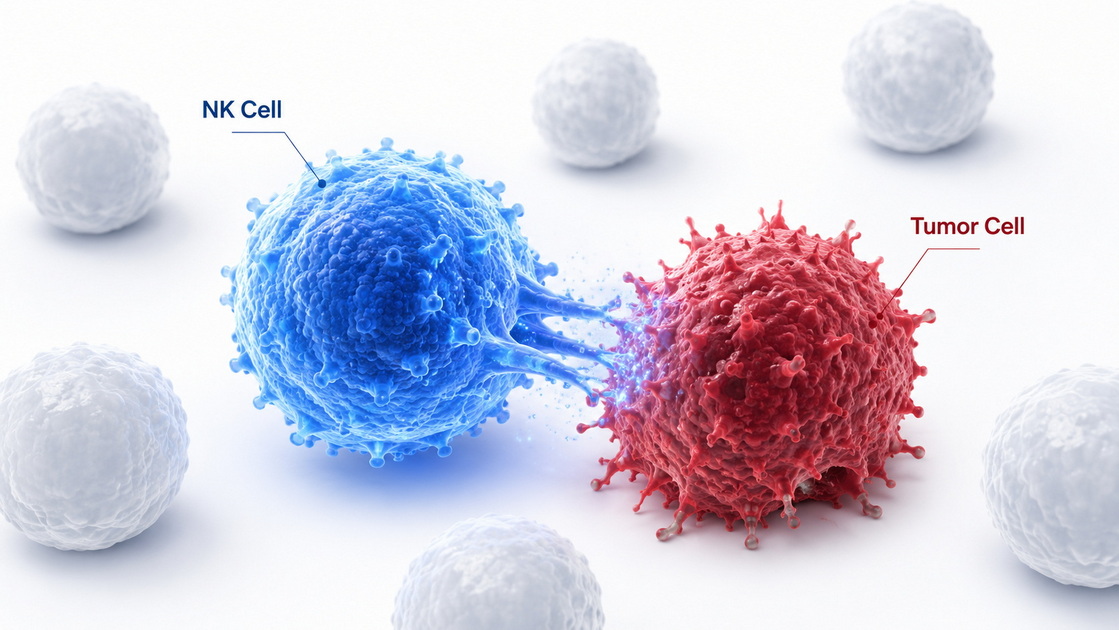
Natural killer (NK) cells are cytotoxic lymphocytes that play a frontline role in immune surveillance against virus‑infected and malignant cells. In recent years, polyphenol‑rich botanical extracts have gained attention for their ability to modulate NK activity and potentially improve outcomes in immune and oncology‑focused formulations. [selfhacked]
From the perspective of a formulation strategist working with global nutraceutical brands, the key question is not "which ingredient is trendy," but which extract offers the clearest mechanistic and data‑based support for NK‑cell activation, and how it integrates into a science‑backed formula.
In this article, we'll compare grape skin extract (primary) and cranberry extract (comparator) around NK‑cell activity enhancement, and discuss how an ingredient partner like Botaniex can help you design differentiated immune formulations for the dietary supplement, functional food, beverage, cosmetic, and pharmaceutical markets. [botaniex]
Understanding NK Cells and Why They Matter for Product Development
NK cells are part of the innate immune system and can recognize and kill abnormal cells without prior sensitization. They contribute to: [selfhacked]
- Rapid defense against virus‑infected cells
- Immune surveillance against emerging tumor cells
- Modulation of downstream adaptive immune responses via cytokine release (for example, interferon‑gamma)
For brand owners, this means that positioning around "NK-cell activity" can support claims related to:
- Immune readiness and "frontline defense"
- Healthy inflammatory balance
- Adjunct support in oncology‑oriented nutritional concepts (where regulations allow)
Phytochemical Profiles – Why Grape Skin and Cranberry Matter for NK Cells
Grape Skin Extract – A Resveratrol‑Rich NK-Cell Ally
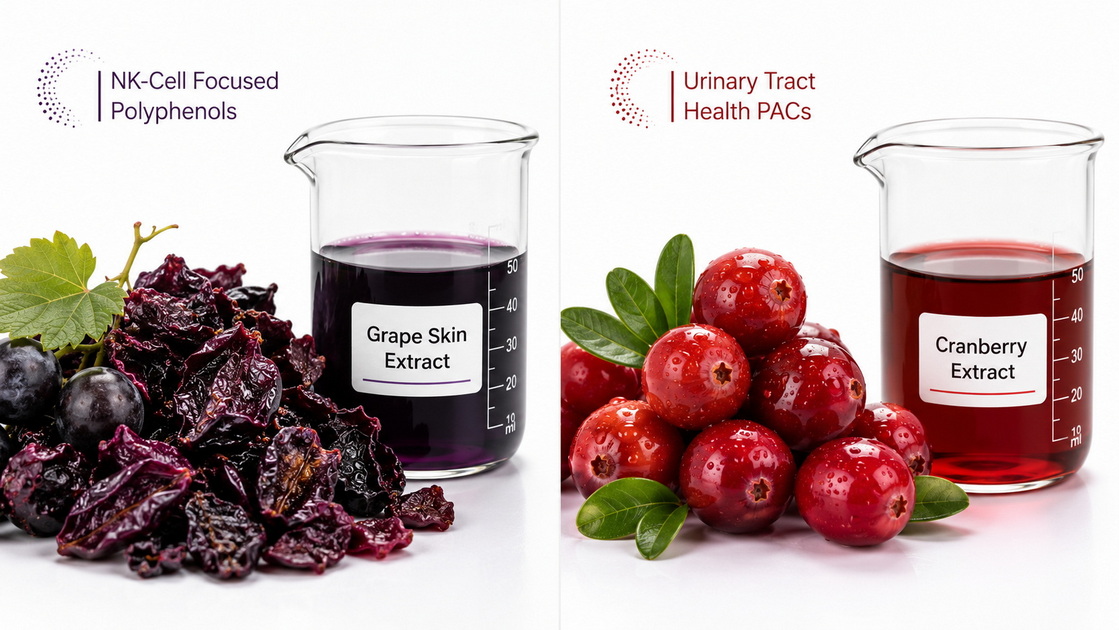
Grape skin extract is rich in resveratrol, anthocyanins, and other polyphenols that have been intensely studied for their antioxidant, cardiometabolic, and potential anti‑cancer effects. Resveratrol, in particular, has emerging evidence as an NK‑cell modulator: [pubmed.ncbi.nlm.nih]
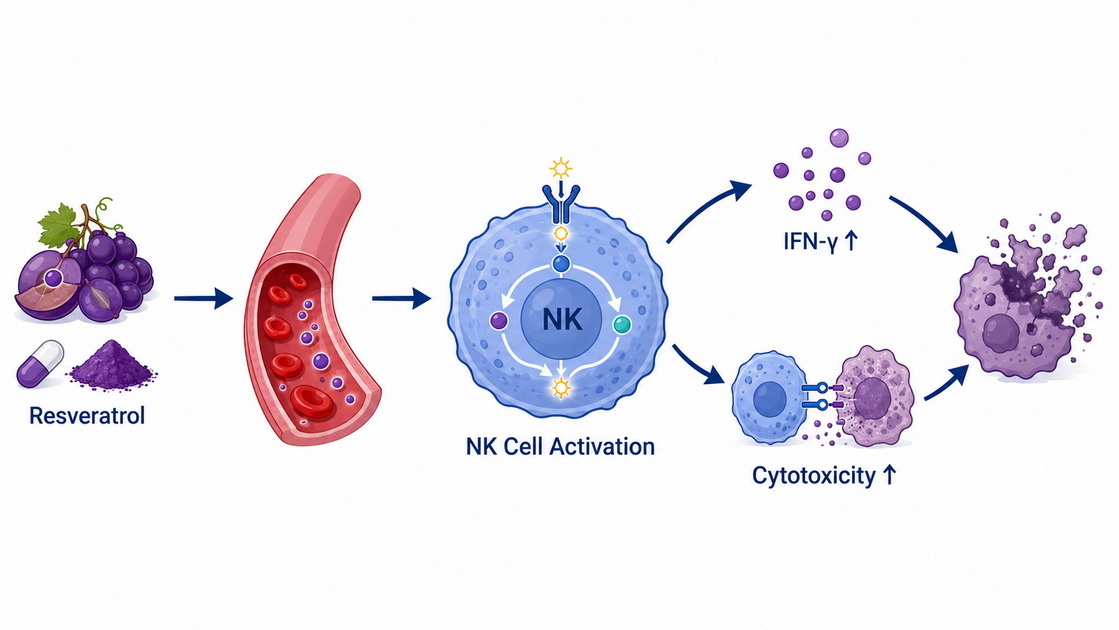
- In preclinical models, resveratrol activated NK cells, enhanced interferon‑gamma secretion, and improved NK cytotoxicity when combined with interleukin‑2. [pubmed.ncbi.nlm.nih]
- Resveratrol treatment increased expression of NK‑cell activation markers such as NKp30 and NKG2D, associated with enhanced killing of tumor cells. [pubmed.ncbi.nlm.nih]
- More recent work suggests resveratrol can improve the function and oxidative stress resistance of engineered CAR‑NK cells, indicating its potential role as a polyphenol adjuvant in advanced immunotherapy concepts. [pubmed.ncbi.nlm.nih]
These findings suggest that grape skin extract, as a concentrated source of resveratrol and co‑acting polyphenols, is highly relevant when formulating for NK‑cell activity enhancement. [pubmed.ncbi.nlm.nih]
Cranberry Extract – Proanthocyanidins with Indirect Immune Benefits
Cranberry extract is best known for its A‑type proanthocyanidins (PACs) and their role in urinary tract health. These PACs help prevent bacteria from adhering to the urinary epithelium, which is why cranberry juice and extracts are widely used for UTI management. [mskcc]
From an NK‑cell perspective:
- Cranberry's antioxidant and anti‑inflammatory effects can contribute to a healthier immune environment overall, but direct NK‑cell activation data are limited compared with grape‑derived resveratrol. [mskcc]
- Current clinical evidence and positioning around cranberry remains focused on urinary tract health, with only broad immune and antioxidant support as secondary messaging. [mskcc]
For brands explicitly targeting NK-cell activity, cranberry extract is better viewed as a supporting antioxidant rather than a primary NK‑focused hero ingredient.
Head-to-Head: Grape Skin Extract vs. Cranberry Extract for NK-Cell Activity
Expert-Oriented Comparison Table
| Dimension | Grape Skin Extract | Cranberry Extract |
| Primary bioactives | Resveratrol, anthocyanins, other polyphenols (pubmed.ncbi.nlm.nih) | A‑type proanthocyanidins, flavonols, phenolic acids (mskcc) |
| Core market positioning | Cardiometabolic, antioxidant, anti‑aging, immune & anti‑tumor support (pubmed.ncbi.nlm.nih) | Urinary tract health, UTI risk reduction, antioxidant support (mskcc) |
| NK-cell evidence | Preclinical evidence for direct NK activation, enhanced cytotoxicity, increased activation markers; support for CAR‑NK function (pubmed.ncbi.nlm.nih) | Mainly indirect via general antioxidant and anti‑inflammatory effects; limited direct NK data (mskcc) |
| Typical dosage ranges (dietary supplements)* | Standardized extracts used within resveratrol‑equivalent ranges based on study extrapolation (pubmed.ncbi.nlm.nih) | Standardized PAC doses based on UTI‑focused clinical studies (mskcc) |
| Formulation roles | Hero ingredient in NK‑focused immune formulas; synergistic polyphenol partner | Supporting ingredient in broader immune blends or UTI + immunity concepts |
| Regulatory positioning | Often used in "immune function," "cell protection," and "healthy aging" claims where allowed (pubmed.ncbi.nlm.nih) | Strongest in "urinary tract health" structure/function claims; immune claims more generic (mskcc) |
Mechanisms: How Grape Skin Polyphenols Enhance NK-Cell Activity
Resveratrol and NK-Cell Activation Pathways
Several mechanistic themes emerge from resveratrol‑focused research:
1. Activation marker upregulation
- Resveratrol increases expression of surface markers such as CD107a, NKp30, and NKG2D on NK cells, indicators of degranulation and target recognition. [pubmed.ncbi.nlm.nih]
2. Enhanced cytotoxicity and cytokine production
- In combination with interleukin‑2, resveratrol synergistically boosts NK‑cell cytotoxicity and interferon‑gamma secretion, both crucial for tumor cell killing and immune signaling. [pubmed.ncbi.nlm.nih]
3. Improved resistance in engineered NK cells
- In advanced cell therapy models, resveratrol preconditioning improved the functional persistence and oxidative stress resistance of CAR‑NK cells via NRF2‑mediated pathways. [pubmed.ncbi.nlm.nih]
These mechanistic data help product developers craft more nuanced value propositions, for example:
- "Supports NK-cell activity and cellular defense mechanisms"
- "Provides resveratrol and grape polyphenols that help maintain healthy immune surveillance"
While careful regulatory review is essential, the underlying biology provides a credible foundation for NK‑centric branding and communication.
Antioxidant and Microenvironment Effects
Beyond direct NK‑cell modulation, grape skin polyphenols:
- Reduce oxidative stress and support mitochondrial function in various cell types. [scielo]
- May influence tumor microenvironment signaling, indirectly aiding NK‑cell function.
In practice, this means grape skin extract can be positioned as both a direct and indirect supporter of NK‑cell activity, fitting well into holistic immune and healthy aging concepts.
Practical Formulation Insights from an Industry Perspective
When to Prioritize Grape Skin Extract
As a formulator or brand owner, consider grape skin extract as your primary choice when:
- Your positioning focuses on immune surveillance, NK‑cell activity, or oncology‑adjacent support.
- You need a differentiated story beyond generic "immune support" or vitamin C‑type claims.
- You are targeting premium markets (for example, practitioner channel, oncology‑support boutiques, advanced longevity platforms) where mechanistic depth and polyphenol synergy matter.
Botaniex, as a research‑driven botanical extract manufacturer, can support:
- Custom standardization of grape skin extract (for example, resveratrol or total polyphenols). [shippingonline]
- Integration with other NK‑supportive botanicals to build proprietary immune formulas for the dietary supplement, functional food, and beverage industries. [botaniex]
When Cranberry Still Adds Value
Cranberry extract remains strategically relevant when:
- You are building UTI‑focused or urinary tract–plus–immune formulations.
- Your target market already associates cranberry with "women's health" and urinary wellness, and you want to add a light immune halo with other ingredients.
- You aim for cross‑category platforms such as women's health gummies, functional beverages, or powder sticks that combine urinary health, antioxidant support, and everyday immunity.
In NK‑centric formulas, cranberry is best used as a complementary antioxidant rather than the core NK‑modulating ingredient.
From R&D to Market: How to Integrate NK-Cell Messaging Responsibly
Example Step-by-Step Formulation Approach
1. Define the core benefit
- Decide whether the hero message is "NK-cell activity and immune surveillance" or broader immune wellness.
2. Choose the lead ingredient
- Use grape skin extract as the primary NK‑focused extract due to its resveratrol‑linked mechanistic data. [pubmed.ncbi.nlm.nih]
- Position cranberry, if included, as a supporting antioxidant, especially in women's health or urinary‑immune combinations. [mskcc]
3. Build a synergistic matrix
- Combine grape skin extract with other NK‑supportive or immune‑modulating nutrients (for example, vitamins, mushrooms, or adaptogens) where regulatory frameworks allow, referencing the broader evidence base around lifestyle and antioxidant modulation of NK function. [selfhacked]
4. Align with clean label and delivery format trends
- Consider capsules for clinically dosed NK formulas, while stick packs or drinks can target everyday immune support and on‑the‑go consumption.
5. Validate and document
- Maintain robust technical dossiers with literature summaries, specifications, and safety data to support regulatory submissions and downstream marketing.
Labeling and Claim Strategy (Expert View)
While claim language must be adapted to local regulations, your high‑level framework can emphasize:
- Structure/function angle: "Supports immune cell activity" or "Helps maintain natural killer (NK) cell function" where permissible.
- Mechanistic storytelling: Explain how grape skin polyphenols, particularly resveratrol, help maintain NK‑cell activity in the context of oxidative stress and immune surveillance. [pubmed.ncbi.nlm.nih]
- Evidence hierarchy: Clearly distinguish between preclinical, clinical, and mechanistic data to keep communications credible and aligned with E‑E‑A‑T expectations.
Why Partner with Botaniex for NK-Cell–Oriented Formulations?
As a market‑oriented and research‑driven manufacturer, Botaniex specializes in botanical extracts and functional herbal formulations for dietary supplement, functional food, beverage, cosmetic, and pharmaceutical brands worldwide. This positioning is particularly relevant when you require customized ingredient solutions around NK‑cell activity and immune innovation. [shippingonline]
From a product development standpoint, Botaniex can provide:
- High-quality grape skin extract with consistent polyphenol profiles, suitable for NK‑focused immune products.
- Cranberry and complementary extracts that support broader immune, urinary, and antioxidant concepts.
- Value‑added services, including custom blends, contract manufacturing support, and private‑label solutions to accelerate your time to market. [botaniex]
For global brands under pressure to differentiate, partnering with a supplier that understands both the science and the market context is critical. Botaniex's combination of technical expertise, flexible manufacturing, and application support helps you translate mechanistic data into commercially viable, NK‑cell–oriented formulations. [botaniex]
FAQs on Grape Skin Extract, Cranberry Extract, and NK-Cell Activity
Q1. Can grape skin extract alone significantly boost NK-cell activity in humans?
Current evidence comes primarily from preclinical and mechanistic studies on resveratrol and grape‑derived polyphenols, which show enhanced NK‑cell activation and cytotoxicity. Human data specifically on grape skin extract and NK activity remain limited, so it should be positioned as supportive, not as a stand‑alone medical solution. [pubmed.ncbi.nlm.nih]
Q2. Is cranberry extract a good choice if my main positioning is NK-cell function?
Cranberry extract is more strongly supported for urinary tract health than for direct NK‑cell modulation. It can still contribute as an antioxidant co‑ingredient, but grape skin extract offers a clearer mechanistic rationale for NK‑cell–oriented formulations. [mskcc]
Q3. Can both grape skin and cranberry extracts be combined in one immune product?
Yes. From a formulation standpoint, combining grape skin and cranberry extracts can create a multi‑benefit product that addresses immune support, NK‑cell activity (via grape skin), and urinary or women's health (via cranberry). The key is to dose appropriately, maintain clean labeling, and align claims with regulatory guidance. [mskcc]
Q4. What other ingredients pair well with grape skin extract in NK-focused formulas?
Brands often consider vitamins, minerals, mushrooms, and other botanicals with immune‑modulating potential to complement polyphenol‑rich extracts, though direct NK data vary widely and should be evaluated on a case‑by‑case basis. A supplier with strong R&D capabilities can help design combinations that are both mechanistically coherent and regulatory‑compliant. [shippingonline]
Q5. How can I ensure my NK-cell claims meet E‑E‑A‑T and regulatory expectations?
Anchor all messaging in transparent evidence hierarchies, clearly distinguish preclinical from clinical data, and avoid disease‑treatment claims. Working with a technical partner that provides documentation, specification sheets, and literature summaries will help you reinforce expertise, authoritativeness, and trustworthiness in your content and labeling. [botaniex]
References
1. Sasaki K. et al. "Grape skin extract modulates neuronal stem cell proliferation and improves spatial learning in senescence‑accelerated prone 8 mice." [Link] [pmc.ncbi.nlm.nih]
2. Jeong S. M. et al. "In vivo Anti‑Cancer Effects of Resveratrol Mediated by NK Cell Activation." [Link] [pubmed.ncbi.nlm.nih]
3. Wu C. et al. "Resveratrol Enhances CAR NK Cell Function in Cellular Immunotherapy Models." [Link] [pubmed.ncbi.nlm.nih]
4. Memorial Sloan Kettering Cancer Center – Cranberry Monograph. "Cranberry." [Link] [mskcc]
5. SelfHacked. "About Natural Killer Cells & How to Increase & Decrease NK Cell Activity." [Link] [selfhacked]
6. Botaniex – Company Profile and Services. [Link] [botaniex]
7. Botaniex – Value Added Services for Botanical Extracts and Herbal Formulas. [Link] [botaniex]
8. Made‑in‑China – Botaniex, Inc. Company Profile. [Link] [made-in-china]
9. Anticancer activity studies on grape and grape skin extracts. [Link] [pubmed.ncbi.nlm.nih]
10. Video overview of resveratrol human trials and dosing considerations. [Link] [youtube]